When an Apicoectomy Is Recommended After Root Canal Therapy
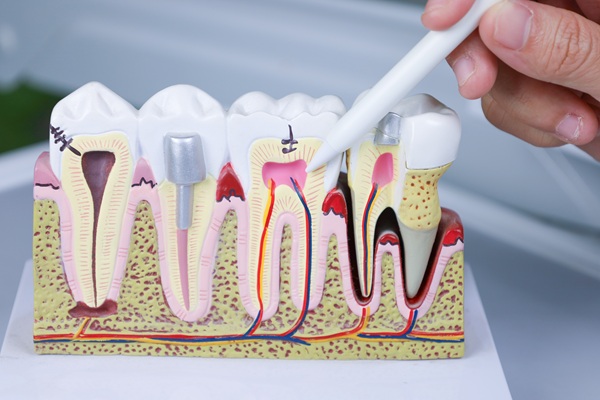
Apicoectomy (or root-end resection) is an endodontic procedure that removes the end of an infected tooth's root. It is quite common for a root canal treatment to save an infected tooth from having to be extracted. However, what happens if the infection reoccurs in the same tooth after the procedure? An endodontist may recommend an apicoectomy to repair the infected root and eradicate the pathogens that caused the infection.
An overview of the apicoectomy process
If a root canal-treated tooth gets reinfected, an endodontist will often recommend an apicoectomy. Sometimes a second round of root canal therapy is necessary if the examination shows necrotic tissue was left behind after the first procedure. However, if that is not the case, an apicoectomy may be recommended. The procedure will be performed only if the prognosis is positive. Otherwise, tooth extraction might be needed instead.
X-rays and a full visual evaluation will be performed during the appointment. The dental professional will use diagnostic imaging to determine the exact location of the infection and the amount of tooth structure that they must remove to eliminate it.
A local anesthetic will be used to numb the tooth and the surrounding gums before the treatment begins. The endodontist will need to make a tiny cut in the gum line in order to get to the jawbone and the tooth root. Afterward, fractures or cracks that are difficult to notice can be identified with the help of a specific dye. The dental professional will proceed with tooth removal if the tooth cannot be saved. The apicoectomy will proceed if there is no fracture detected.
Only the damaged section of the root will be removed in this procedure. The endodontist will also remove any inflamed tissue that has formed around the tooth root. Afterward, they will sterilize and clean the remaining part of the root canal before sealing the root's end. Finally, the tissue is relocated, and the incision is stitched up.
Recovering after an apicoectomy
Patients will be given post-operative instructions after the procedure. For the best chance of a quick and complete recovery, it is important to adhere strictly to these instructions. Adequate rest is important since strenuous exercise increases the risk of bleeding and edema (swelling). Apply a cold compress over the jaw for 20 minutes at a time for the first 24 hours. Over-the-counter ibuprofen or naproxen may be used to reduce swelling.
Avoid brushing the region for the first several days; instead, use an antibacterial rinse to keep it clean. The area around the incision might be irritated by hard, crunchy foods, so these should be avoided. A few days of discomfort, swelling, and bruising are normal after treatment, and complete recovery usually occurs during the second week.
Schedule an appointment at our office
Have you been experiencing a painful or irritated tooth after root canal treatment? You may benefit from an apicoectomy. We encourage you to contact our Newport Beach dental office today to schedule an endodontic consultation.
Request an appointment here: https://newportrootcanal.com or call Newport Root Canal at (949) 274-9190 for an appointment in our Newport Beach office.
Check out what others are saying about our services on Yelp: Read our Yelp reviews.
Related Posts
Proper root canal treatment can bring back your dental and general health. An endodontist can perform detailed checks to create a complete treatment plan. Removing the infection is the primary goal of the therapy. If you want to know more about how root canal treatment can help an infected tooth, here are the details. The…
It is important to rush to the endodontist when your tooth gets knocked out. A tooth is organic. It needs to stay alive. That way, your dentist can place it back into its socket. If you want to know how your endodontist will treat your knocked-out tooth, here are the details. Going to the dentist…
Tooth reinfection is something anyone wants to avoid. However, going through root canal treatment a second or third time seems tedious, especially for one tooth. Understanding gutta-percha’s role in keeping bacteria at bay can help you go through the root canal procedure. Here are the details if you want to know how gutta-percha prevents tooth…
Root canal therapy can keep your damaged tooth intact. This procedure may scare many people because of its invasive nature. Even so, it can provide immediate relief and prevent tooth loss. Here are some tips to prepare yourself for your upcoming root canal therapy.Research shows that many people do not like to have root canal…