Why Root Canals Are an Effective Tooth Infection Treatment
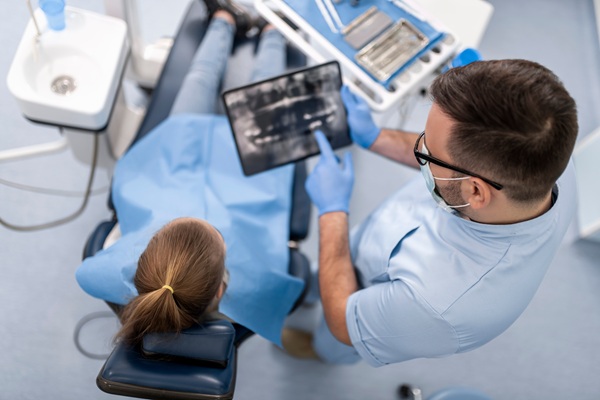
Tooth infection treatment can ease pain and preserve the smile. Root canal therapy is one of the most effective ways to address severe tooth infections that have reached the inner pulp of the tooth. By removing the infection, cleaning the canal, and sealing the tooth, this procedure not only relieves pain but also prevents further damage. With prompt tooth infection treatment, patients can keep their natural teeth and continue smiling confidently.
When infection compromises a tooth
A tooth infection occurs when bacteria enter the inner portion of the tooth, known as the pulp. This can happen as a result of deep decay, a crack, or trauma to the tooth. Once the tooth’s pulp becomes infected, pain and swelling follow. Pus may start to build up, as well.
The presence of an infection compromises the tooth's structural integrity, and without intervention, the infection can worsen, spreading through the root to other areas of the mouth and jaw. While antibiotics may help control the infection temporarily, the bacteria may remain inside the tooth. An endodontist may then be able to perform a root canal to eliminate the infection completely.
Why root canals are an effective tooth infection treatment
Root canal therapy is a well-established treatment for tooth infections when performed by an endodontist. To perform a root canal, the endodontist first removes the infected pulp from inside the tooth, which is why the treatment is so effective. Next, they clean the canal to get rid of any remaining bacteria. The last step is to fill the tooth with gutta-percha, a rubberlike material, to seal it against reinfection. If a significant amount of the tooth had to be removed, the endodontist may cap the tooth with a dental crown to restore its strength, shape, and appearance.
This common tooth infection treatment not only stops the infection but also helps preserve the tooth itself, which would otherwise need to be pulled. The endodontist will perform the procedure with the use of local anesthesia (and sometimes other pain management methods) so that it is pain-free for the patient. Many patients find that after a root canal, they experience notable long-term pain relief and can return to normal daily activities with a restored, healthy tooth.
Restoring the tooth after tooth infection treatment
Once the root canal is complete and the infection is cleared, restoring the tooth is the next step. As mentioned, the endodontist may recommend a crown to protect and restore the tooth’s shape and function. There are several types of crowns available, such as porcelain for a natural look, metal for strength, and porcelain-fused-to-metal (PFM) for a combination of durability and aesthetics. An endodontist can recommend a crown type according to the patient’s needs and preferences.
Need help with an infected tooth?
With a root canal, an endodontist can address the infection at its source and preserve the natural tooth structure. To learn more about this common tooth infection treatment, contact our Newport Beach team. We can also help you explore other potential treatment options.
Request an appointment here: https://newportrootcanal.com or call Newport Root Canal at (949) 274-9190 for an appointment in our Newport Beach office.
Check out what others are saying about our dental services on Yelp: Tooth Infection Treatment in Newport Beach, CA.
Related Posts
Root canal retreatment is a possibility after root canal therapy. Proper care after root canal therapy will result in complete healing and the absence of infection. However, there is always a possibility of improper healing weeks or years after the procedure. The endodontist will need to perform root canal treatment again. If you want to…
An endodontist is a dentist with two extra years of specialized training focused on diagnosing and treating pulp issues. The term “pulp” refers to the blood vessels, nerves, and connective tissues housed inside a tooth’s pulp chamber. Endodontists spend most of their time performing root canal therapy. Also called endodontic therapy, the procedure is used…
A knocked out tooth can happen to adults and kids. It is a common result of an active lifestyle or an accident. Saving the tooth is important. This will keep it alive for re-implantation with the help of your endodontist. If you want to find out what you must do to save your knocked out…
An endodontist is a dental specialist with the advanced education and training to treat diseases and infections within a tooth's structure. Patients usually seek endodontic care when standard treatment cannot address tooth pain.The ultimate goal of endodontic dentistry involves saving natural teeth. To that end, endodontists typically perform three procedures within a tooth's internal structure…